Choosing the right communication tools for an autistic child: a simple checklist
- What is the child’s current communication stage? (requests only, shared attention, short phrases, conversation)
- What does the child enjoy? (music, stories, movement, numbers, animals, characters)
- What triggers stress? (noise, unpredictability, fast speech, crowding)
- Where will the tool be used? (home, school, therapy, respite)
- Who will support it? (training and consistency matter more than the device)
- How will progress be measured? (small data points beat vague impressions)
Future trends: where autism communication technology is heading
Over the next few years, we’re likely to see rapid development in:
- More personalised interactions based on a child’s interests, sensory profile, and learning goals
- Multimodal support that blends voice, visuals, gesture cues, and AAC integration
- Better implementation guidance for schools, allied health, and disability providers
- Stronger safeguards around privacy, data handling, and ethical use in child-facing technologies
- Evidence-first procurement as providers demand research, outcomes, and real-world usability
Conclusion: technology that strengthens human connection
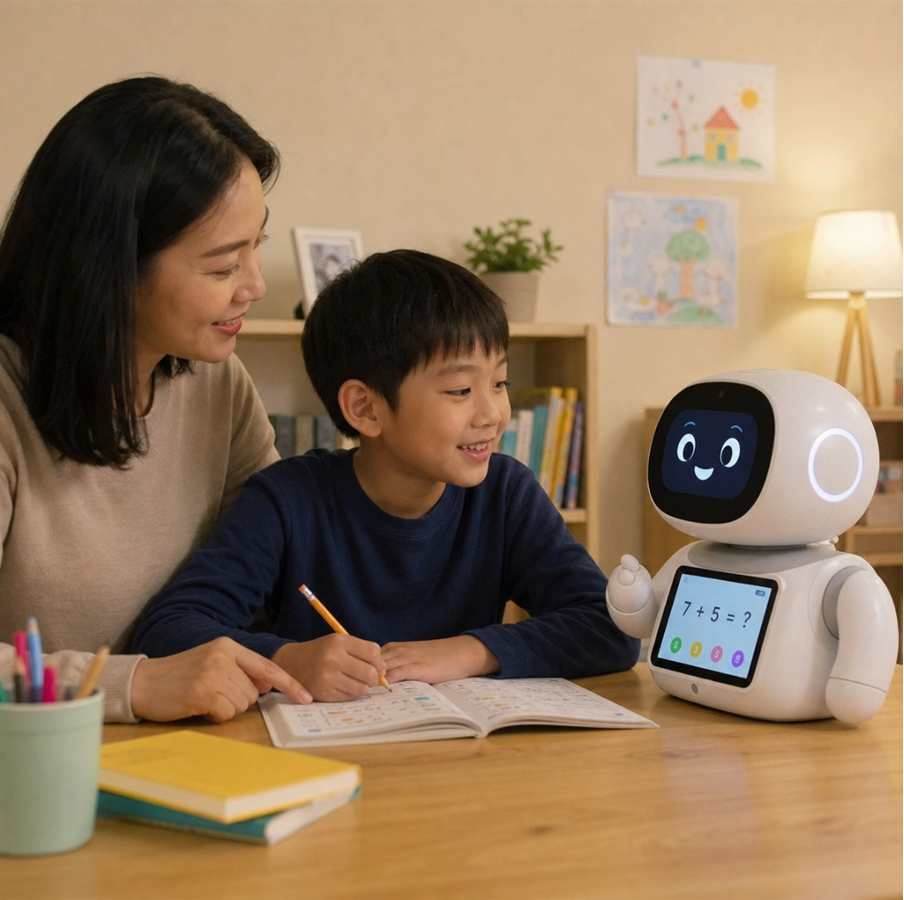
The most effective communication tools for autism don’t just help a child “use words” - they help a child feel understood, supported, and safe enough to connect. Social robots are not a replacement for therapists, educators, or family. At their best, they’re a practical bridge: a consistent, patient way to practise social communication skills that can be carried into everyday life.
The team behind Matilda believes that technology should strengthen human connection-supporting families, educators, and care teams with research-backed tools that make it easier to create meaningful moments, every day.